
Article Written By: Naturally Smart Team
Reviewed/Edited By: Michael Feinman, MD, FACOG
If you're going through IVF, ICSI, or preparing for an embryo transfer, you've probably started thinking carefully about what you're putting into your body. Vitamin D keeps coming up in fertility research — and for good reason. For some patients, especially those with low levels, it may offer meaningful support during treatment.
Here's a practical, research-based guide you can go over with your healthcare team to figure out what makes sense for you.
Step 1: Find out where your levels actually stand
Before you add any Vitamin D supplement, ask your provider for a 25-OH vitamin D blood test. It's a simple blood draw, but it tells you a lot. Research suggests the most meaningful benefits were seen in women whose levels were below 30 ng/mL — and as we mentioned, in today's world, that's a lot of us. Knowing your baseline means you're making an informed decision, not just guessing.
Step 2: Think daily, not dramatically
It might be tempting to take a big one-time dose and move on, but the research doesn't support that approach. What actually showed up in the studies was consistent, daily supplementation — typically somewhere in the 1,000–10,000 IU range, started 30 to 60 days before embryo transfer. It turns out that showing up every day matters more than going big once. Talk to your doctor; your doctor can help you find the right dose based on your labs and where you are in your treatment plan.
Step 3: Think about the bigger nutritional picture
Vitamin D usually works best with other nutrients. Some studies looked at it alongside folate, myo-inositol, melatonin, and vitamin E and found that combining them can be helpful. This shows that fertility nutrition is about building a strong foundation, not just focusing on one nutrient.
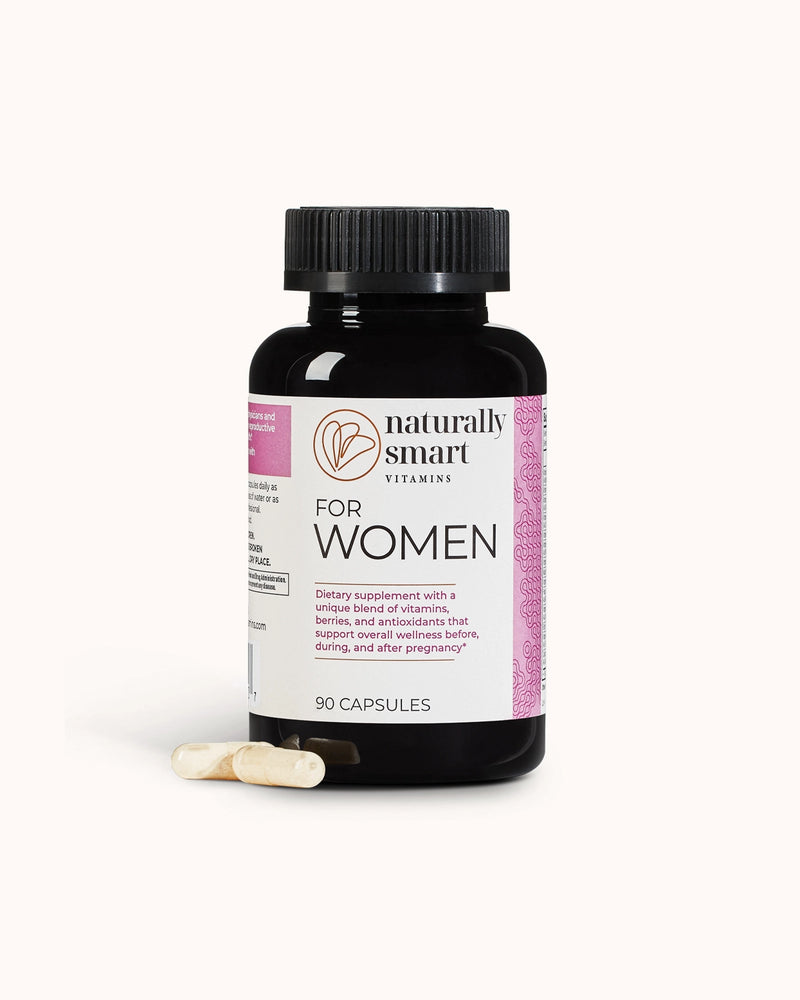
If you want support in this area, our Methylfolate Plus offers an active, easily absorbed form of folate, and For Women’s is a complete multivitamin focused on fertility. If you’re already taking a prenatal or fertility supplement, check the vitamin D content with your provider in order to avoid taking too much.
Step 4: Monitor things closely as you go
Once you start supplementing, don't just set it and forget it. A few things to keep in mind as you move through treatment: stick to daily doses rather than large single boluses — those didn't show benefit in the research and aren't considered best practice. Get your levels rechecked as your provider recommends, and only adjust your dose according to their guidance. More isn't always better; staying within a healthy range is the goal.
A note worth keeping
Supplements are meant to support your treatment — not replace it. Vitamin D is one piece of a much larger picture, and the most important thing you can do is stay in close conversation with your fertility specialist throughout the process. They know your full history, your labs, and your plan — and that context matters.
Source: Meng X, Zhang J, Wan Q, et al., Influence of Vitamin D supplementation on reproductive outcomes of infertile patients: a systematic review and meta-analysis., Reproductive Biology and Endocrinology (2023).
Disclaimer: This content is for educational purposes only and is not a substitute for personalized medical advice. Please consult your care team before making any changes to your supplement routine.